

When Do Kids Start Preschool? A Guide for NYC Families
It is not unusual for new parents to encounter the classic moment when they return to their child’s classroom anxious to hear what happened at school that day. “What did you do?” smiling parents ask with barely masked excitement and enthusiasm. “I played,” is the typically low-key response, which is an amazingly accurate accounting as well as a completely appropriate reply, but is often somewhat anti-climactic in the minds of many eager moms and dads.
Parents not accustomed to such simplicity might be caught short by the ease of a child’s ability to define and describe what truly captures the moments – and milestones – of preschool. It is precisely the goal of early childhood programs to make play the work of young children. It is how they learn, explore, and discover.
What Age Should Children Start Preschool?
At this time in a young child’s development (usually around 24 months old), parallel play is a stage that opens a child’s mind and eyes to the possibility of interacting and engaging with other children to grow in skill and awareness – under the care, guidance, and observation of experienced teachers. This is the sweet spot of New York City preschools that are designed for children from ages two to five years old to gently and gradually introduce them to critical concepts of cognitive learning, social-emotional learning, and physical activity.
Many preschools enroll children once they turn two years old by September 1.
Depending on certifications and licensing, some programs are able to enroll infants (from three to 12 months old) and toddlers (from 12 to 24 months old).
Half-Day, Full-Day, or Partial-Week? Choosing a Preschool Schedule
Age-related decisions often depend on school accommodations as well as family schedules. Options include half-day enrollments, full-day enrollments, and partial weeks. Preschools frequently offer early drop-off and extended-day hours to keep children in a safe, secure, space until parents arrive at scheduled pick-up times.
Preschools are big believers in building classroom communities for both children and parents: warm, inviting settings that model kindness, caring, and courtesy for young learners. Once the environment is familiar enough to feel comfortable and reassuring, children respond to learning activities and hands-on projects that encourage new abilities. And it’s all based on the notion of play – through sharing ideas, expressing thoughts, and trying new things with growing confidence.
Preschool Planning Resources from Parents League
For more information about life as a preschooler in an independent, public, special needs, or parochial program:
- Register for an annual Parents League membership
- Attend online, virtual, and in-person events created by Parents League
- Book an appointment with unlimited access to the Parents League advisory team
- Schedule upcoming admissions workshops and other activities
- Learn about timelines and deadlines for applying to preschools that meet the needs and expectations of your family
More information, both general and specific, is available at info@parentsleague.org, through individual advising appointments, on the Parents League website, and in the Parents League newsletter.
Materials produced by Parents League and available to school and family members include:
About the Author
Ann Levine’s love of books, words, and reading has steered her career choices: from editorial roles at Meredith Publishing and Hearst Magazines to teaching and administrative positions at the School at Columbia and Preschool of America to assistant manager at Bank Street Bookstore. She received an undergraduate degree in English at Washington University and a graduate degree at Bank Street College of Education. She is still a big believer in the three Rs of learning — reading, reading, and reading.


Recommended Reading
-

The Art of Learning and Becoming
Janet C. Rotter, Head of School, The Studio SchoolWhat if education is not only about what children learn, but how they learn and who they become in the…
Read more
-
Is Preschool the New Neighborhood?
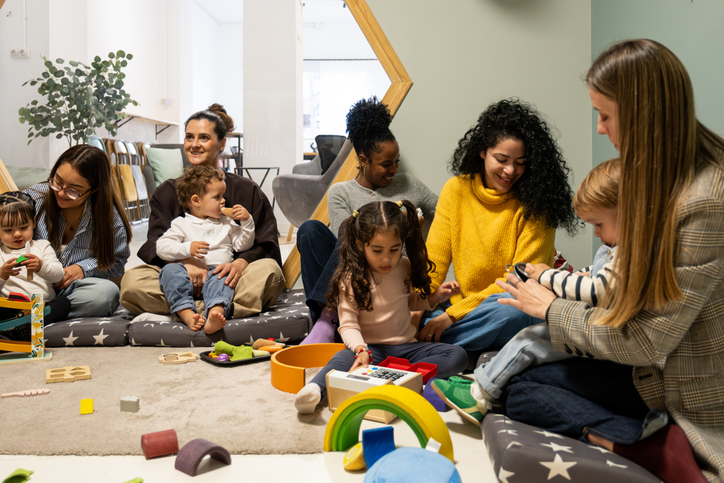
Ann Levine, Parents League School AdvisorFor many families, preschool becomes more than a place where a young child learns. It can become a community where…
Read more
-

Best Summer Reading Books for Kids
Ann Levine, Parents League School AdvisorDip a big toe into the endless selection of shimmery, summery books, many of them hinting at care, use, and…
Read more