


Raising Curious, Resilient Learners: 10 Practical Tips for Parents
By Jennifer Rumack, Ed.D, SVP of People Development & Founding Head of Fusion Academy, NYC, Chelsea
Parenting in today’s world can feel like navigating uncharted waters. Between academic expectations, social pressures, college applications, and conversations about mental health, it’s easy to feel overwhelmed.
As both a parent and an educator who has spent over three decades supporting students and teachers, I’ve learned that raising curious, resilient learners isn’t about perfection. It’s about connection, curiosity, and confidence in who our children are becoming.
“Curiosity isn’t just a trait to nurture—it’s a way of moving through the world.”
1. Model Curiosity in Everyday Life
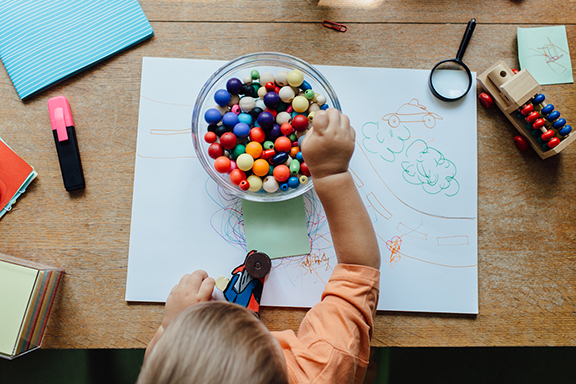
Curiosity is contagious. When your child sees you asking questions, exploring new ideas, or learning something just for fun, it sends a powerful message: discovery is exciting. Wonder out loud, research together, and show that learning doesn’t stop in adulthood. When curiosity feels like a shared family value, kids approach challenges with a spirit of exploration rather than fear.
2. Support Your Child’s Passions—Even the Unexpected Ones
One of the greatest gifts we can give our children is exposure—to art, science, music, literature, nature, languages, and ideas. You never know what might spark something lasting. Who would have ever guessed my daughter would fall in love with constructed languages—the art of creating entire vocabularies and grammar systems from scratch? When we give kids space to explore, we open doors to lifelong joy and confidence in their unique interests.
3. The Power of a Great Mentor Teacher
Pay attention to the teachers your child talks about most—the ones who inspire questions or spark enthusiasm long after class ends. Those relationships can be life-changing. Reach out and collaborate with that teacher to nurture your child’s curiosity. Ask if assignments or reading lists can be personalized, or if there are opportunities for creative projects. Great mentor teachers see potential that even we, as parents, sometimes miss.
4. Normalize Conversations About Mental Health
Success and wellbeing go hand in hand. Ask about how your child feels as often as you ask about grades. Encourage practices like journaling, mindfulness, or walking together without screens. When emotional check-ins become part of the routine, your child learns that their inner life matters as much as their outer accomplishments.
5. Foster Independence Through Collaborative Goal-Setting
Invite your child into the process of setting goals—academic or personal. When they help define expectations, they take ownership of their growth. Share stories about your own learning curve or how you bounced back from mistakes. Modeling reflection and adaptability helps kids see that learning and resilience are lifelong pursuits.
6. Celebrate Effort, Not Just Achievement
Praising perseverance, creativity, and thoughtful problem-solving builds intrinsic motivation. Instead of “You’re so smart,” try, “I love how you stuck with that even when it was hard.” This subtle shift helps kids value the process over the outcome—and see effort as something to be proud of.
7. Encourage Reading for Pleasure
Reading expands empathy, imagination, and perspective—but it shouldn’t feel like homework. Let your child choose what draws them in: graphic novels, biographies, blogs, or fan fiction. Talk about what you’re both reading. Shared stories can open up surprising conversations and deepen your connection.
8. Create Shared Learning Experiences
Some of the best learning happens side by side. Visit a museum, watch a documentary, try a new recipe, or explore a neighborhood you’ve never been to. These shared experiences build both knowledge and relationship capital—and they remind your child that learning can be joyful, communal, and ever-evolving.
9. Encourage Reflection and Self-Awareness
When something goes well—or doesn’t—pause and ask, “What did you learn from that?” or “What surprised you?” Reflection helps children integrate experience into insight. Over time, it builds emotional intelligence and the ability to navigate complex social and academic challenges.
10. Embrace Mistakes as Learning Opportunities
Failure is feedback in disguise. Share your own stories of missteps and what you learned from them. When your child sees that even adults recover, they begin to view mistakes as stepping stones rather than setbacks. This mindset fosters courage, self-trust, and long-term resilience.
Final Thought
Raising curious, resilient learners isn’t about checking boxes—it’s about building a foundation of trust, exploration, and belonging. Every time you nurture a spark of interest, collaborate with a teacher, or encourage reflection, you’re helping your child not just succeed—but flourish.
Learning, in this sense, becomes not something they do, but something they are.
About the Author
Jennifer Rumack, Ed.D is the Senior Vice President of People Development and the Founding Head of Fusion Academy NYC Chelsea. With over three decades of experience in education and leadership development, she is passionate about creating environments where students and educators alike feel seen, inspired, and empowered to learn deeply.


Recommended Reading
-

How to Prepare for a School Fair: A Guide for Parents and Students
Parents League School Advisory Service,Attending an independent, private, or boarding school fair can feel overwhelming, but it does not have to be. Learn how…
Read more
-

How to Prepare for School Admissions This Fall
Mary Ann Clerkin, Parents League School AdvisorAs the school admissions season gets underway, it's natural to feel a mix of excitement and uncertainty. Taking a few…
Read more
-

How to Find the Best-Fit Private School for Your Child
Ann Levine, Parents League School AdvisorWhatever you see as signs of your children’s strengths, interests, and skills, pay close attention.
Read more